Garden Clearance in Bromley
Garden clearance in Bromley helps turn overgrown, cluttered or neglected outdoor spaces into clear, workable ground again. Our service is built around practical removal of green waste, broken garden items and mixed outdoor rubbish, with a focus on careful handling and sensible sorting. Whether a garden needs a one-off tidy-up after a long period of build-up or a fuller clearance before landscaping, we work with the space that is there and remove what is no longer needed in a straightforward, organised way.
The service can cover a wide range of outdoor materials, from cut branches and hedge trimmings to old pots, damaged fencing sections, soil, turf, planters and weathered garden furniture. We also handle mixed items that tend to gather in sheds, side passages and corners of the garden, keeping the work focused on safe removal rather than forcing the customer to separate everything beforehand. If you need a reliable clearance of garden waste and unwanted outdoor items, this is the right place to begin.
In many cases, the aim is not just to remove waste but to leave the garden ready for the next stage of use. That might mean opening up space for mowing, making beds accessible for replanting, or clearing an area before repairs and improvements. Clear access, a practical plan and sensible sorting all help the work move smoothly, and we keep the process simple for homeowners, landlords and property managers who want the outdoor area cleared without unnecessary disruption.
What our garden clearance covers
Our garden clearance work is designed to deal with the kinds of items that build up outdoors over time. That includes organic waste from pruning and cutting back, together with non-organic materials that are often left behind after routine maintenance or small improvement jobs. We can remove leaf litter, weeds, branches, broken plant containers, old compost bags, loose timber and similar debris that makes a garden harder to use or maintain.
It is often useful to think of the service in terms of clear-out tasks rather than a single type of waste. A garden might need just the removal of cuttings after seasonal work, or it may need a fuller tidy that includes dismantled structures, damaged edging and general outdoor clutter. We deal with the clearance side of the job so that the remaining garden can be assessed, maintained or redesigned more easily.
Common items and materials we can often deal with include:
- branches, hedge cuttings and grass cuttings
- leaves, weeds and other green waste
- old pots, trays and broken containers
- timber offcuts, fencing pieces and shed debris
- garden furniture, ornaments and outdoor clutter
- soil, turf, rubble and mixed bags of garden waste
Preparing a clearance and planning the work

Good preparation makes garden clearance more efficient, but it does not need to be complicated. If you already know which items must go, separating obvious waste from things you want to keep can make the visit more focused. If the garden has a side path, rear access or a narrow route out to the front, that information helps the collection side of the job be planned sensibly. The point is to reduce unnecessary handling, not to ask you to do the labour yourself.
A clear quotation usually depends on the overall amount of material, the type of waste involved and how easy it is to move it from the garden. Heavier material such as soil or rubble may require different handling from lightweight cuttings, and mixed waste can affect sorting and disposal. Where access is tight, stacked items are awkwardly placed or the garden has several separate sections, those details can influence the time and effort needed. We always prefer clear information up front so the work can be arranged properly.
Helpful details to have ready include the size of the area, the main types of waste, any especially bulky items and whether there are steps, narrow gates or shared access points. If you are comparing more than one area of the garden, it can help to note which parts are being cleared first. Pricing and quotes may also be useful if you want to understand the factors that shape a quotation before you ask for one.
Green waste, bulky items and mixed garden rubbish
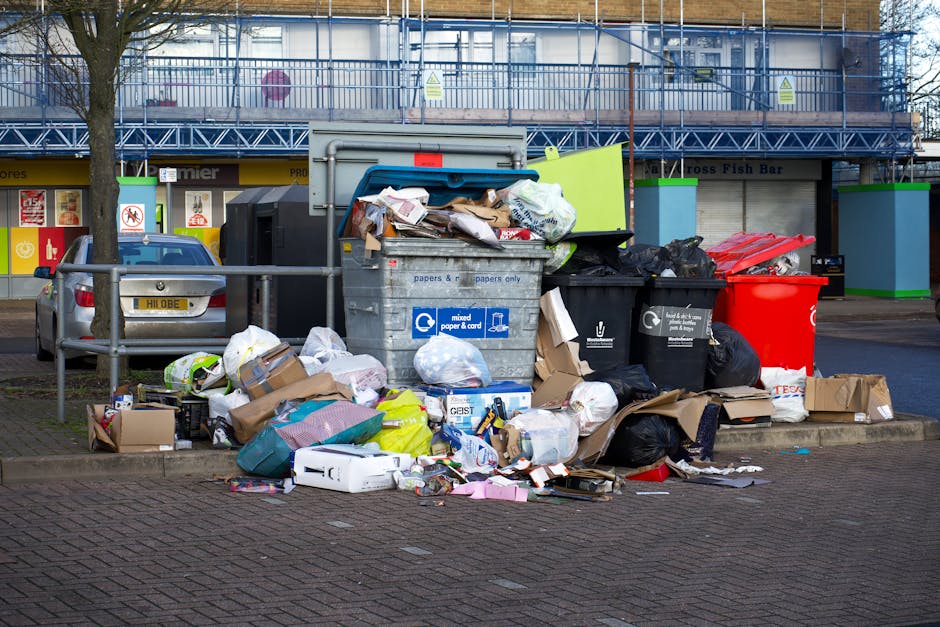
Not every clearance is made up of neat piles of hedge cuttings. Many gardens contain a mixture of green waste and harder, bulkier objects that need to be removed together. That can include damaged sheds, broken trellis, cracked flower beds, old sleepers, faded play equipment and household items that have been stored outdoors for too long. Our approach is to treat the garden as one working area and separate the materials in a practical way as they come out.
Where the garden contains mostly organic waste, the job may be relatively straightforward. When there are mixed loads, care matters more, because different materials may need different disposal routes. The service is therefore suited to customers who want a tidy and methodical clearance rather than a quick superficial sweep. We remove the waste that is no longer wanted and leave the remaining features in place where they are part of the garden’s structure or future plans.
If the outdoor space includes items that need to be dismantled before removal, that can usually be discussed as part of the quotation. Break-down work is best handled in a way that keeps the site safe and avoids unnecessary damage to paving, fences or planted areas. Mixed waste is common in real gardens, so the service is designed to be flexible enough to deal with the practical reality rather than forcing everything into one narrow category.
Garden clearance for homes, landlords and property changes

Different customers need garden clearance for different reasons, but the work itself stays grounded in the same clear-out task. For homeowners, it may be about reclaiming a garden that has become difficult to use. For landlords and agents, the priority may be to bring an outdoor area back to a presentable state between occupants. For property changes, the work may support renovation, landscaping or general site preparation. The service is built around that kind of practical changeover.
We can also help where an outdoor area has become a storage space for items that no longer belong there. Old furniture, damaged containers, broken toys, unused timber and garden debris can all take up room and make routine maintenance harder. Clearing these materials creates a more workable space for mowing, pruning and planning. If you are preparing for further work outside, it is sensible to deal with the clearance first so the remaining tasks can be assessed properly.
Garden clearance is often the first stage in making an outdoor area feel manageable again, but it does not have to be linked to a larger project. Some customers simply want a one-off removal of accumulated waste; others want a fuller tidy before deciding what to do next. Either way, the aim is to remove unwanted materials carefully and leave the garden in a better condition for whatever comes after.
How quotations are usually assessed
Quotation work for garden clearance is usually based on a few clear factors. The first is the amount of waste or unwanted material to be removed, because volume affects the handling and disposal process. The second is the type of material, since green waste, timber, soil and mixed garden rubbish are not always managed in exactly the same way. The third is access, especially where waste needs to be carried through a house side path, alley, shared entrance or uneven garden layout.
It is also sensible to consider whether the job includes loose waste only or items that need dismantling first. A pile of branches is one thing; an old shed, rotted fence panel or heavy planter base is another. If there are several different areas in the garden, the quotation may reflect the total work across all of them rather than just one obvious pile. Being clear about the scope helps avoid confusion and makes the arrangement easier for everyone.
Once the key details are known, the next step is simply to request a quotation. A good enquiry does not need to be long, but it should be specific enough to describe the garden, the waste and any access concerns. That gives a clearer basis for planning the clearance and deciding how the work should be handled.
About Bromley
Bromley is a large district in south-east London, historically part of Kent and now one of the capital’s outer boroughs. The town centre combines long-established streets with later commercial development, while the wider area includes residential neighbourhoods, parks and transport links that connect it to central London and nearby Kent. Bromley’s growth accelerated in the nineteenth century after the arrival of the railway, which helped turn it from a market town into a more substantial suburban centre. That history is still visible in the mix of buildings and street patterns around the district. The Church House Gardens offer a well-used green space close to the centre, while Bromley’s shopping streets and civic buildings show the layered character of an area that has changed over time without losing its identity. Nearby, Crystal Palace Park and the green corridor of the borough add to the sense that open space remains an important part of the local landscape. Bromley is also associated with cultural life through the Churchill Theatre, a key venue for performances and community events. The district has a varied built environment, from Victorian and Edwardian housing to more recent retail and residential development, and its neighbourhoods often combine suburban calm with busy main-road movement. That blend of town centre activity, domestic streets and open space gives Bromley a distinctive place within outer London, shaped by both its transport connections and its long-established local character.
Garden waste sorting and responsible disposal
Clearance is only part of the job; what happens next matters as well. Garden waste often needs to be sorted so that suitable materials can be handled separately from general rubbish or reusable items. Green waste, wood, soil and mixed outdoor debris may all need different treatment depending on what they contain. Sorting is especially useful when a garden contains a combination of prunings, broken fixtures and older stored items that have been left outdoors through several seasons.
Responsible disposal is important because garden clearances often involve more than visible waste. A careful process helps reduce unnecessary mixing and keeps the removal work organised from start to finish. Where feasible, materials are separated in a way that supports proper handling after collection. That practical discipline is part of a well-run clearance and can be as important as the visible tidy-up itself.
If you are clearing an area that includes soil, turf or heavy cutbacks, it can be worth noting that the weight and bulk of the load may differ quite a lot from one garden to another. The quotation should reflect those differences rather than treating all outdoor waste as the same. Good sorting is not about adding complexity; it is about making the work tidier, safer and easier to manage once the items leave the property.
Garden clearances before landscaping or seasonal work

Some clearances are done in advance of fresh planting, border changes, patio work or other improvements. In those cases, the objective is to remove old growth and unwanted materials so the next phase can start on a cleaner base. A garden that has not been cleared properly can slow down later work, especially where roots, debris or forgotten items are hidden beneath surface growth. Clearing first helps reveal what the space actually needs.
Seasonal jobs also create their own clearance needs. After heavy pruning, autumn leaf fall or a period when the garden has simply not been maintained, the amount of waste can increase quickly. A fuller clearance can then bring the space back under control and make regular maintenance easier again. We keep the work practical and manageable so that the garden is left ready for ongoing care, not just emptied and forgotten.
In a typical project, the customer decides what should remain and what should go, while the clearance takes care of the lifting and removal. That division keeps the process simple and avoids removing features that are still useful. If you are unsure where to begin, it is usually best to identify the main problem areas first and build the clearance around them.
Access, timing and the shape of the job
Access affects every clearance because the easiest waste to describe can still be awkward to remove if the route out is narrow or uneven. Gates, steps, narrow side passages and shared entrances can all influence how the work is organised. If there are obstacles such as stored bikes, bins or garden machinery in the path, it helps to know about them early. That does not necessarily make the job difficult, but it does change how the clearance should be approached.
Timing is another practical consideration. Some gardens are best cleared in one visit, while others benefit from being tackled in sections. A job with several different waste types may need a little more planning than a straightforward pile of cuttings. We prefer to keep the arrangement simple and clear, with enough detail to understand the work without overcomplicating it. That way, the clearance can be handled in an orderly and predictable manner.
For a quick next step, you can gather the basic details of the garden and the main waste types, then ask for a quotation when you are ready. If the space is large or contains a range of items, a brief description of the layout can make the planning more accurate and the response more useful.
Other clearance options linked to the same work

Garden clearance often overlaps with other forms of removal work, particularly where outside storage has merged with household clutter or renovation debris. If the garden adjoins a garage, loft access point or outbuilding, the overall job may involve more than one type of unwanted material. In those cases, it can be helpful to think of the task as a broader clearance project with several connected parts. Our service pages reflect those related areas so customers can identify the most suitable option for the job in hand.
If you are dealing with a broader mix of waste, some related pages may be useful alongside garden clearance. For example, waste removal covers wider removal needs, while home clearance may suit situations where garden items are only one part of a larger property clear-out. For lighter domestic contents that have ended up outdoors or in access spaces, furniture clearance can also be relevant when the items are still mainly household pieces rather than garden materials.
When you are ready to move ahead, the simplest route is to contact us with a clear description of the garden and the items that need to go. A concise enquiry is usually enough to start the quotation process, and it gives the work a sensible starting point without adding unnecessary back-and-forth.